DeepSeek's 243,000-star Harness adds an experimental Claude Code Mods compatibility layer
DeepSeek's October 3 v0.2.1-alpha.1 release adds an experimental compatibility layer for Claude Code Mods, building on the v0.2 desktop apps for macOS and Windows.
DeepSeek's open-source agent harness is absorbing its rival's extension API. Release v0.2.1-alpha.1, published October 3, adds an experimental Claude Code Mods compatibility layer to DeepSeek Harness, the MIT-licensed agent harness whose "Everything is a Plugin" architecture has drawn about 243,800 GitHub stars since its August debut, per GitHub's API.
The framing in the release notes is direct about intent. The team says the release exists to verify that the Claude Code Mods API's capabilities are roughly a subset of what the Harness plugin system can already do. In plainer terms: the extension layer Anthropic launched for Claude Code on October 1, which lets developers hook into the agent's execution pipeline with TypeScript, already fits inside Harness's plugin model, and DeepSeek is proving it with a compatibility shim.
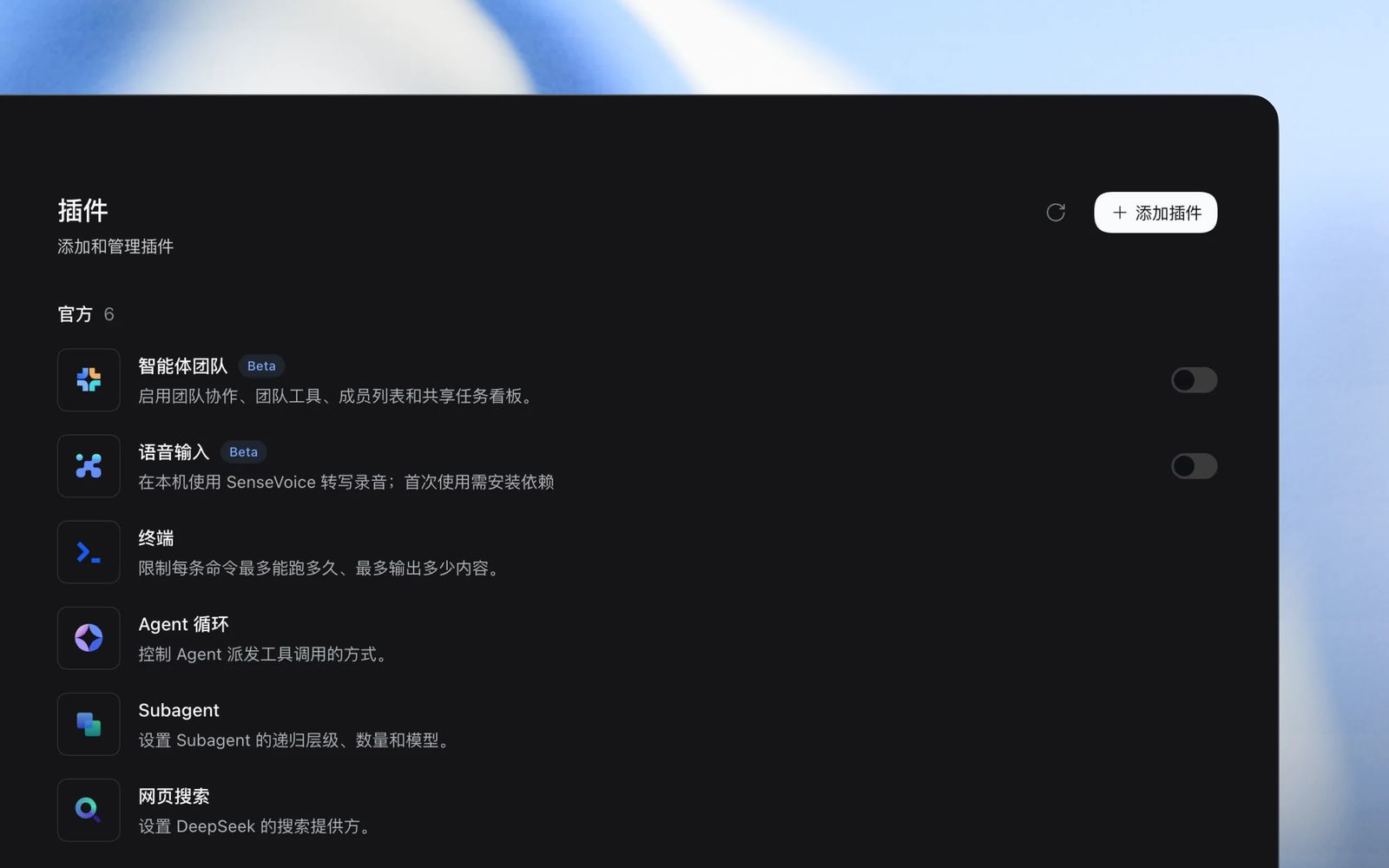
The Mods layer lands on top of the bigger v0.2 story. The v0.2 preview line, with release candidate 2 published September 29, brings official desktop apps for macOS and Windows. The desktop build bundles the dsh command into the menu bar, so plugins can be installed and managed without a terminal and without a separate Node.js or pnpm install. A dedicated plugin page handles installation, usually by entering an npm package name, plus disabling, uninstalling, and inspecting each plugin's source. An experimental Creation mode lets users describe a plugin in conversation and have Harness write or modify it on the spot.
Also new in v0.2: an automation-tasks plugin that turns repetitive work into scheduled runs with history, adjustable frequency, and editable instructions; document handling that takes spreadsheets and PDFs and produces analysis and charts; and a file-and-diff sidebar that previews generated files and code changes.
The attention numbers are striking with the usual caveats. Roughly 243,800 stars makes Harness one of the most-starred agent projects on GitHub, though stars measure attention rather than usage. DeepSeek positions Harness as the most-used coding agent among its own API customers by daily active users and sessions, a vendor claim worth treating as such while the project remains in developer preview. DeepSeek also reports that about 60 percent of Harness users run third-party plugins, and plans an official plugin marketplace.
The caveats are real. The project warns of compatibility-breaking changes ahead, and the desktop apps are previews. "Local" describes where the agent software runs, not where the model work happens: using Harness still requires a DeepSeek account or API keys, since model calls go to DeepSeek's services.
The Mods compatibility play is the tell. Anthropic opened Claude Code to deep customization; within days, DeepSeek responded by swallowing the API into its own plugin system instead of inventing a competing one. Extension-layer compatibility is becoming the new battleground for agent platforms, and the MIT-licensed project with a quarter-million stars just made its move.