Meta open-sources Muse Gadgets: an ESP32 firmware and Linux SDK for building your own Muse hardware
Meta open-sourced ESP32 firmware and a Linux SDK so anyone can build hardware devices that talk to its Muse personal agent, and manufactured 5,000 free Home Link dongles for subscribers.
Meta wants its personal AI agent off your phone and onto your workbench.
On October 2, Nat Friedman, the former GitHub CEO who now heads product at Meta's Superintelligence Labs, announced Muse Gadgets: open-source ESP32 firmware and a Linux SDK that let anyone build hardware devices that talk to Muse, Meta's personal agent. The code lives in the facebookincubator/muse-gadget-sdk repository on GitHub under the Apache 2.0 license, and Meta says you can get started by grabbing an SDK token from the Gadgets site and pointing your favorite coding agent at the repo.
Flash a board, talk to an agent
The pitch is refreshingly literal. Flash an off-the-shelf ESP32 board or set up a Raspberry Pi, then connect Muse to displays, buttons, sensors, actuators, and "whatever else you've got lying on your workbench," as the project's site puts it. The repo ships with esp32, linux, and skills directories, each carrying a README plus an AGENTS.md written for coding agents, Muse Code included.
Pairing goes through the Muse app's Settings to Devices page with developer mode switched on. Gadgets show up prefixed MuseGadget, and every one needs its own SDK token to connect.
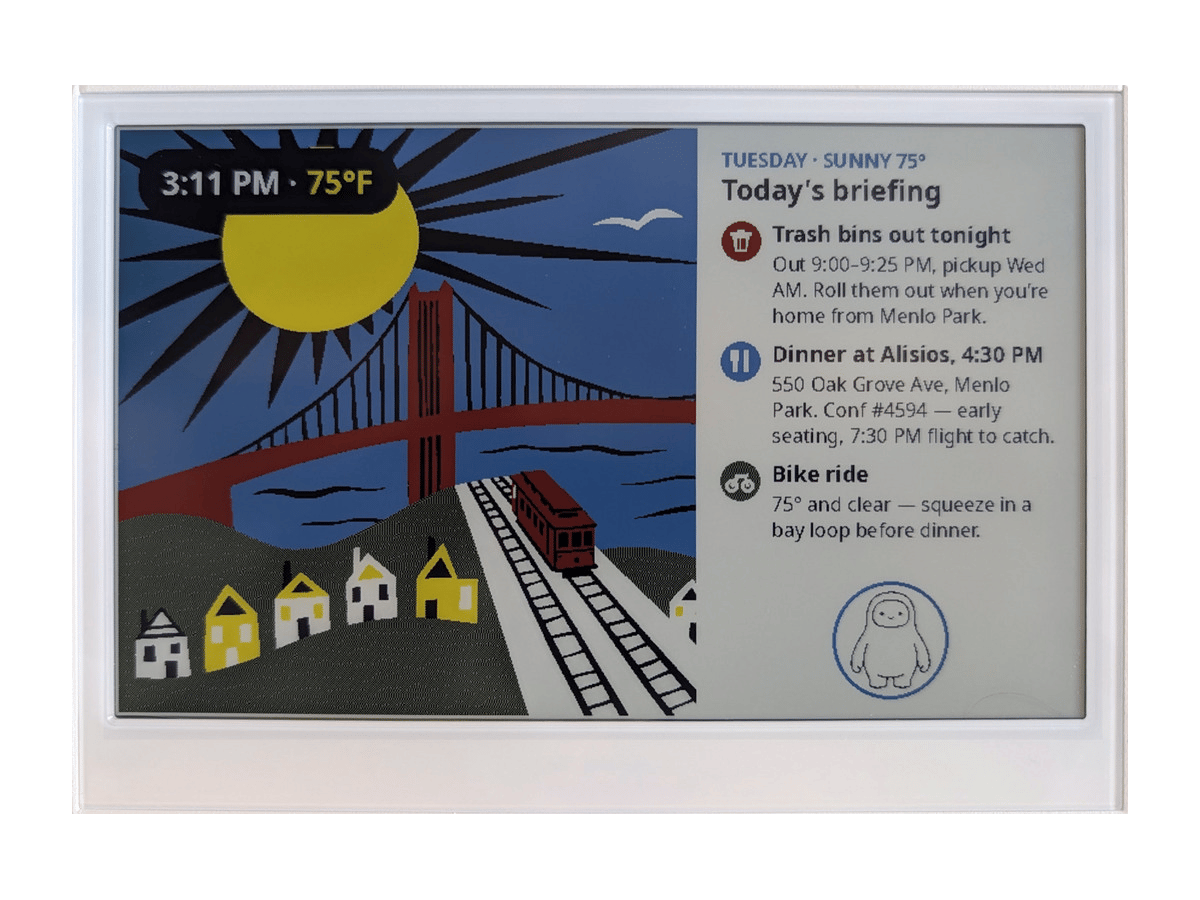
Meta seeded the idea with a list of example builds. A round Waveshare AMOLED touchscreen gets push-to-talk, a speaker, a mic, and a battery. Seeed's reTerminal E1002 gives Muse a color e-ink display for a morning briefing, reminders, or a shopping list. There is a pocket-sized M5Stack StickS3 that shows Muse's status on a color screen, a tiny AiPi Lite desk companion that answers out loud and shows pictures, a Raspberry Pi 5 build that plugs into Home Assistant, and Home Assistant's own Voice Preview Edition for push-to-talk with an LED status ring. An HDMI stick that puts Muse on a TV is marked coming soon.
Meta's own reference hardware
Meta also built one itself. Muse Home Link is a small USB-C puck built on Espressif's ESP32-C5 chip that joins your Wi-Fi so Muse can reach devices on your home network, with community-written skills covering Philips Hue, Sonos, Apple TV, Google Nest speakers, and Samsung TVs. Friedman said Meta manufactured 5,000 of them and is giving them away free to Muse subscribers while supplies last. Reports put the giveaway as US-only and one per subscriber, with claiming one essentially holding your place in line and shipping expected within a few weeks.
The community is already tinkering. Federico Viticci turned an e-ink reader into an always-on Muse pocket display that snaps to his phone with MagSafe, and Meta runs a Discord where builders share projects.
Hardware as a platform move
The timing is hard to miss. A week after OpenAI put Dots agents in ChatGPT as a direct Muse rival, Meta answered with a hardware socket instead of another chat surface. Meta chief AI officer Alexandr Wang called the launch a "Muse ecosystem alert," which is about right: this is Meta trying to turn its assistant into a platform hobbyists build on, not just an app they open.
Open source with a leash, though. Every gadget needs Meta's SDK token to pair, the Apache grant reportedly doesn't cover the Jollybot avatar, and Meta's own Home Link can't be reflashed. Open, but on Meta's rails.
Coverage: TechCrunch