JetBrains opens Air in IDEs to early access, running your existing coding agents in parallel
JetBrains Air brings Codex, Copilot, Junie and other agents into its IDEs as parallel sessions, with no JetBrains AI subscription required.
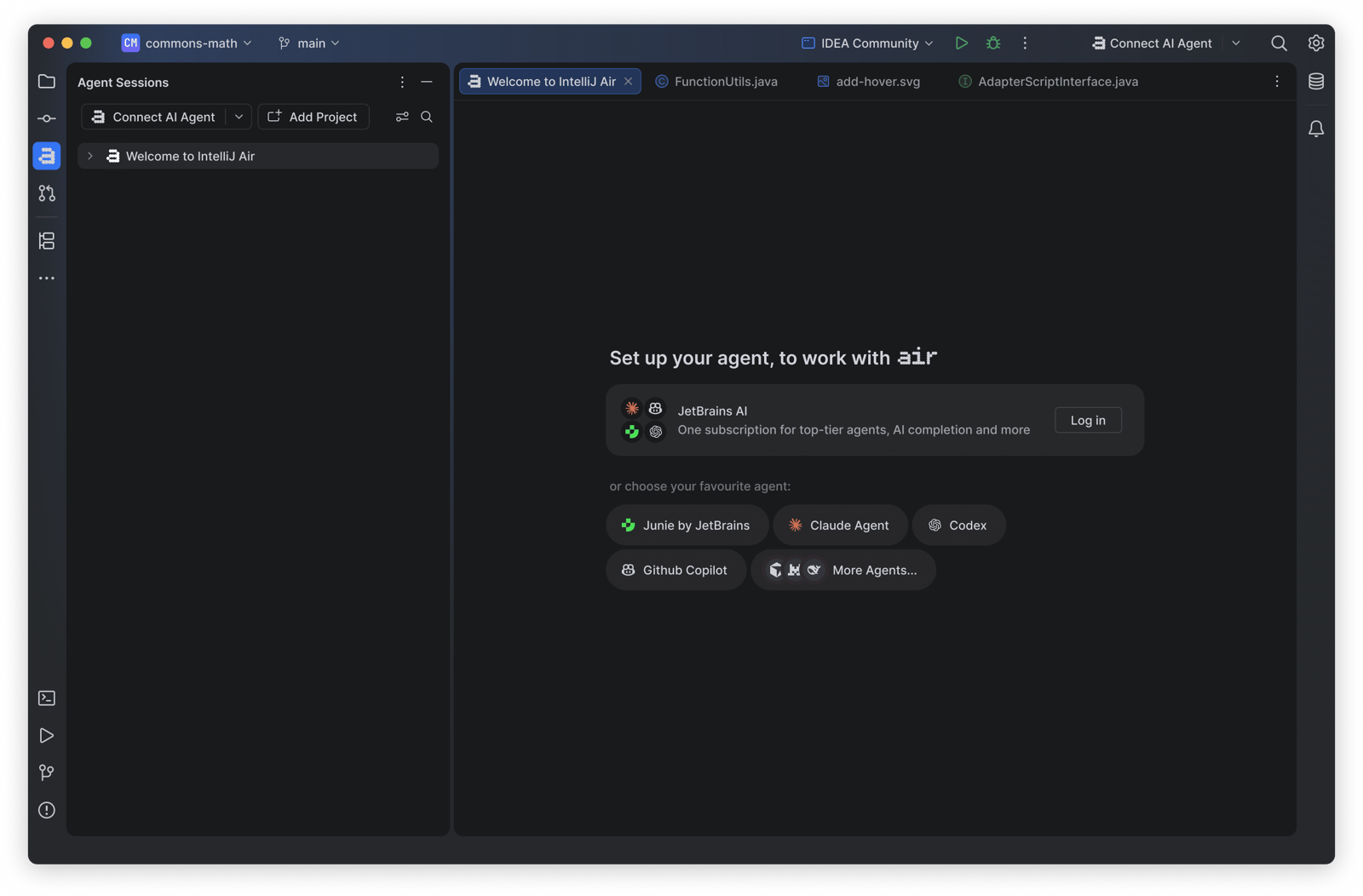
JetBrains launched the early access program for Air in IDEs on October 1, available now as a plugin on the JetBrains Marketplace or natively in the 2026.3 EAP builds. The pitch is deliberately un-JetBrains-like: Air is not an AI provider and ships with no agents installed. It is a conduit for the agents and subscriptions a developer already uses, detecting them on the machine the way the IDE detects a terminal.
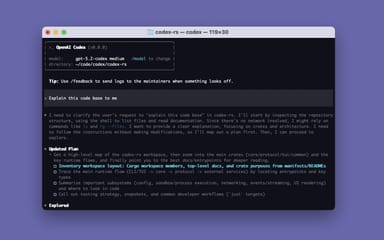
Out of the box, Air supports Codex, Gemini, GitHub Copilot, Claude Agent and Junie, with others such as Cursor connectable through ACP. Local use of those existing agents does not require a JetBrains AI subscription; data goes directly to the provider under the agreement the user already has, and JetBrains says it adds no new data processing terms. To give people something free to try, the company is offering Junie Lite, a cost-efficient configuration of its own Junie agent, for free during the EAP.
The product is built around running several agents at once. Sessions are organized in one place with activity, unread updates, changed files and outgoing commits visible at a glance, plus per-session cost tracking so spend stays visible across agents and tasks. A double-tap of Ctrl opens a prompt window from anywhere with current context attached. Sessions can start on a new branch or in a detached temporary worktree, so parallel agent work stays isolated until the developer cherry-picks the result back. Cloud runs are available for long-running background tasks, currently for organizations with AI seats.
JetBrains is also selling the IDE's traditional strengths as the differentiator: diffs, navigation and inspections for reviewing agent work, plus built-in IDE skills and tools that give supported agents access to debugging, performance profiling, database exploration and semantic code search. The company says this can help agents produce better results and, for some tasks, use fewer tokens.
The company framed the move as a direction change for its AI strategy. "Agentic development is becoming the norm, and an IDE that keeps agents at arm's length will struggle to stay relevant," the launch post says, adding that as agents do more of the work, verifying and owning the result becomes the hard part, and that is what the IDE is for. AI Assistant will remain available as a separate plugin while Air becomes the primary experience for agentic workflows over time.