 Image: Anthropic / unite.ai
 Anthropic Adds Inline DLP to Claude Enterprise With Inference Hooks
Inference hooks, now in beta for Claude Enterprise, route every employee prompt through your organization's security server before Claude processes anything. Netskope, Palo Alto, Proofpoint, and Zscaler integrations ship on day one.
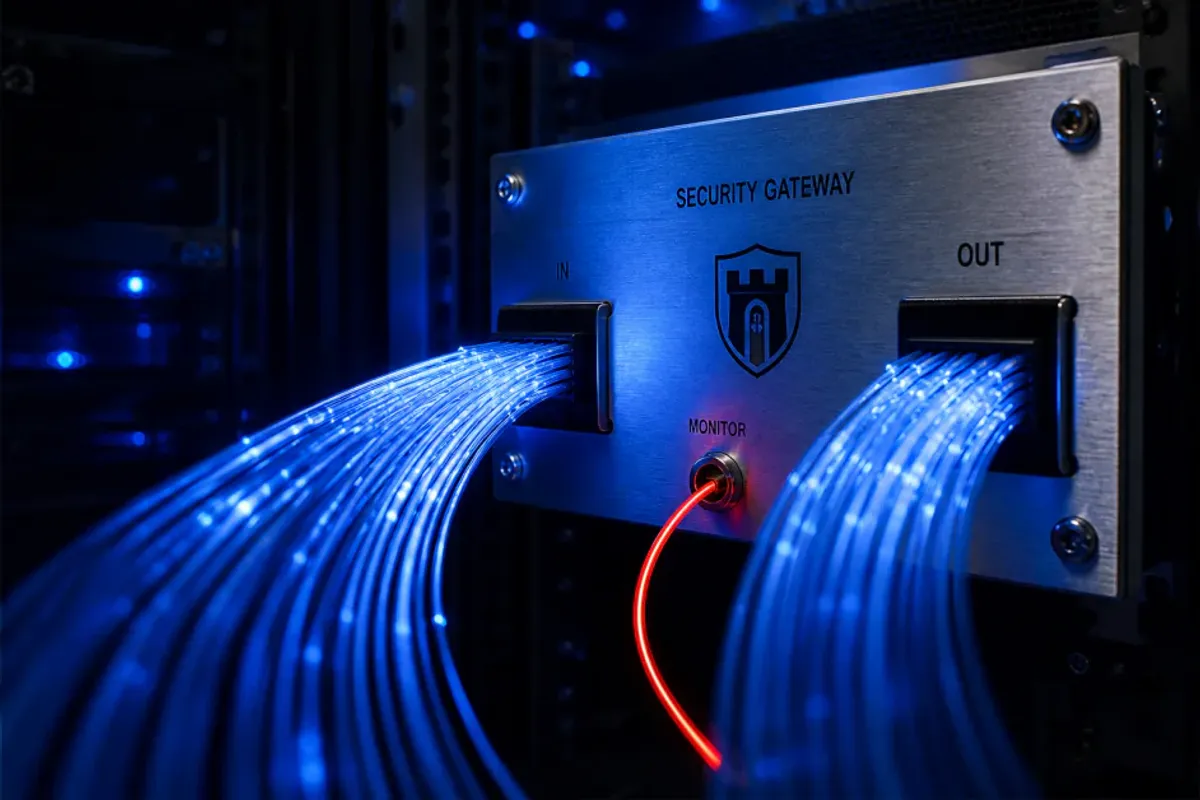
Anthropic launched inference hooks in beta on August 5 for Claude Enterprise customers. The feature inserts your organization’s security server between every user prompt and the model, giving compliance teams a real-time veto before Claude processes anything.
The idea is straightforward: when an employee submits a prompt, Anthropic routes it over a signed WebSocket connection to the organization’s own DLP server. That server returns an allow or deny verdict. Claude only proceeds if it gets an allow. Denied requests never reach the model.
This applies to every surface Claude Enterprise covers: chat, Claude Code, Claude Cowork, and tool calls made through MCP connectors, skills, and plugins. One configuration at the organization level handles all of it.
What it’s replacing
Until now, native inline enforcement in Claude’s ecosystem was limited to Claude Code’s client-side hooks, which run on the developer’s machine and can be modified or bypassed by the user. Inference hooks moves enforcement to Anthropic’s servers, after the request leaves the client and before the model runs. It’s not asking agents to stay in bounds — it’s enforcing that externally.
The coverage gap this closes is real. Enterprise teams that want to block prompt injection of sensitive data, prevent leakage of regulated content, or apply compliance policies to agentic sessions have had to rely on network proxies or custom instrumentation for each surface separately. One organization-level configuration now covers all of them.
How to deploy it
Inference hooks uses a webhook-based protocol with a published schema, so integration with existing DLP platforms is straightforward. Day-one integrations include Netskope, Palo Alto Networks, Proofpoint, and Zscaler. Organizations running their own security infrastructure can implement the protocol directly.
Anthropic also built in gradual rollout controls:
- Shadow mode: hooks fire and log decisions without actually blocking anything. Useful for testing policy rules before enforcement goes live.
- Percentage-based rollout: start at 5% of traffic, expand from there.
- Role-based exclusions: admins or specific user groups can be excluded from enforcement during testing.
Failure handling is configurable. If the security server is unreachable or times out, you can set a policy to block all requests, allow all requests, or surface an error to the user.
Prompt caching interaction
One practical consideration: Anthropic notes that inference hooks run before prompt caching resolves. Cached prompt hits still route through the hook. This means your DLP server sees every request, not just cache misses, which is what you’d want for compliance purposes but it’s worth accounting for in latency budgets if your security server is geographically distant.
Availability
Inference hooks are in beta for Claude Enterprise. Vendors who want to build an integration can request access to the protocol documentation through Anthropic’s enterprise portal. The company hasn’t announced pricing or a GA timeline.
Sources: claude.com/blog/claude-enterprise-inference-hooks, unite.ai